Related
Summary
Many of the most innovative and talented film director of all clock time have also somehow put off mainstream recognition today . These directors often work outside of Hollywood , producingfilms with typical aesthetic visions , and offeringing fresh view and groundbreaking approaches to storytelling . Their works may research unconventional cinematic techniques , delve into niche subject , or dispute societal norms . Despite their lack of widespread fame , these film director have garner critical acclaim within the film industry and among cinephiles for their creative thinking , craftsmanship , and ability to evoke powerful emotions .
Though they ’re not often counted among thebest directors of all time , many ofthese filmmakers are auteursin their own right , having made meaning donation to the cinematic landscape throughout their calling . From various corner of the globe , these directors bring various ethnical ground and narratives to the screen , offering glimpse into worlds less explored . Despite flying under the mainstream radar , these theatre director showcase singular esthetic talent , demonstrating command over the guile of filmmaking . Discovering these lesser - known directors can direct to enriching experience , and can widen a viewer ’s sympathy of the diverse landscape of cinema around the humans .
10Mira Nair - Born: October 15, 1957
Director of: Salaam Bombay! (1988) and Queen of Katwe (2016)
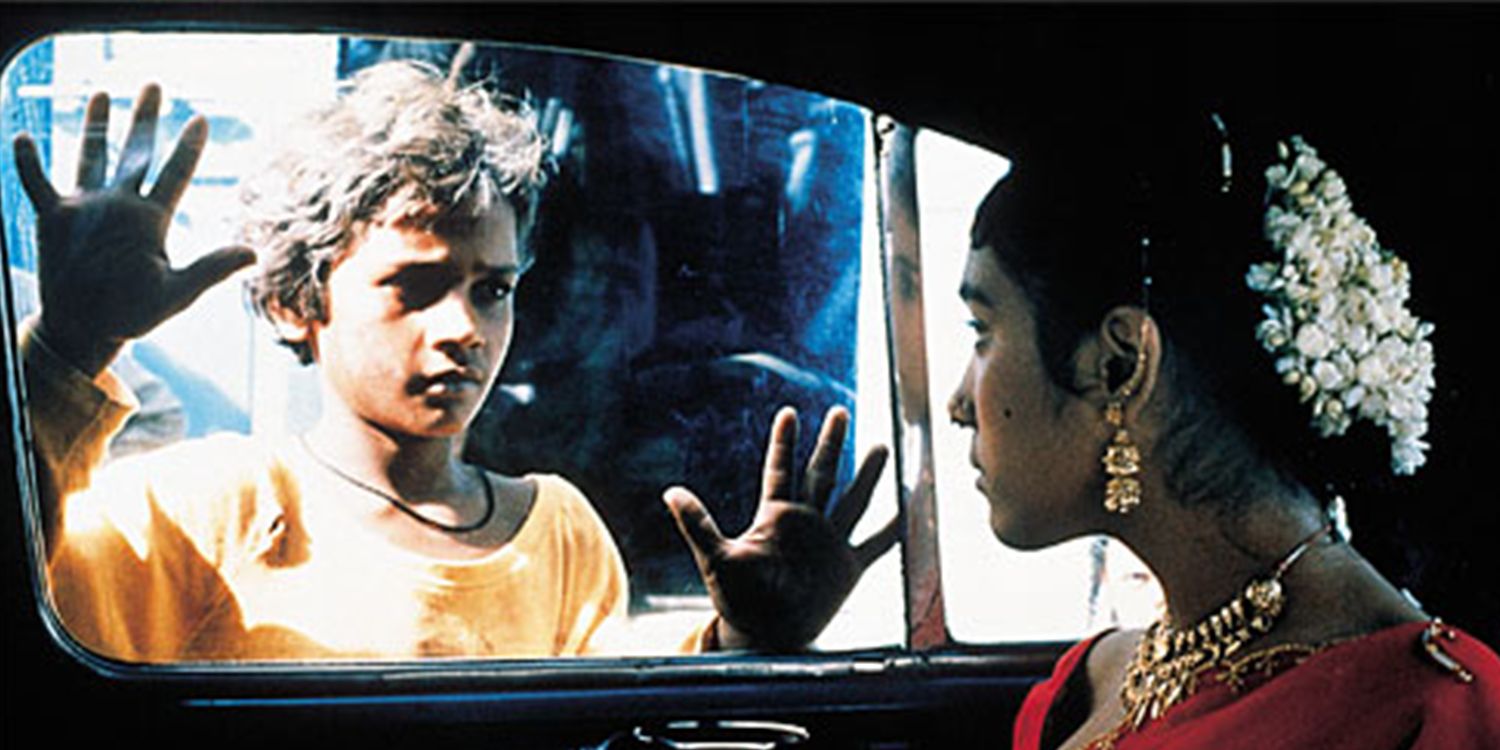
Mira Nair gained international acclaim for her neorealist dramaSalaam Bombay!,which depicted the life sentence of street children in Mumbai , and won the Camera d’Or honor at the Cannes Film Festival . Nair continued toexplore Indian civilisation and diaspora experiencesin the spectacular comedyMonsoon Wedding , which received far-flung extolment for its vibrant portrayal of a Delhi hymeneals and arranged marriage ceremony . have it away for blending humour with drama , coming - of - eld stories , and successful adaptations of literary body of work such asThe Namesake , Queen of Katwe , andThe Reluctant Fundamentalist , Mira Nair definitely deserves more care from mainstream audiences .
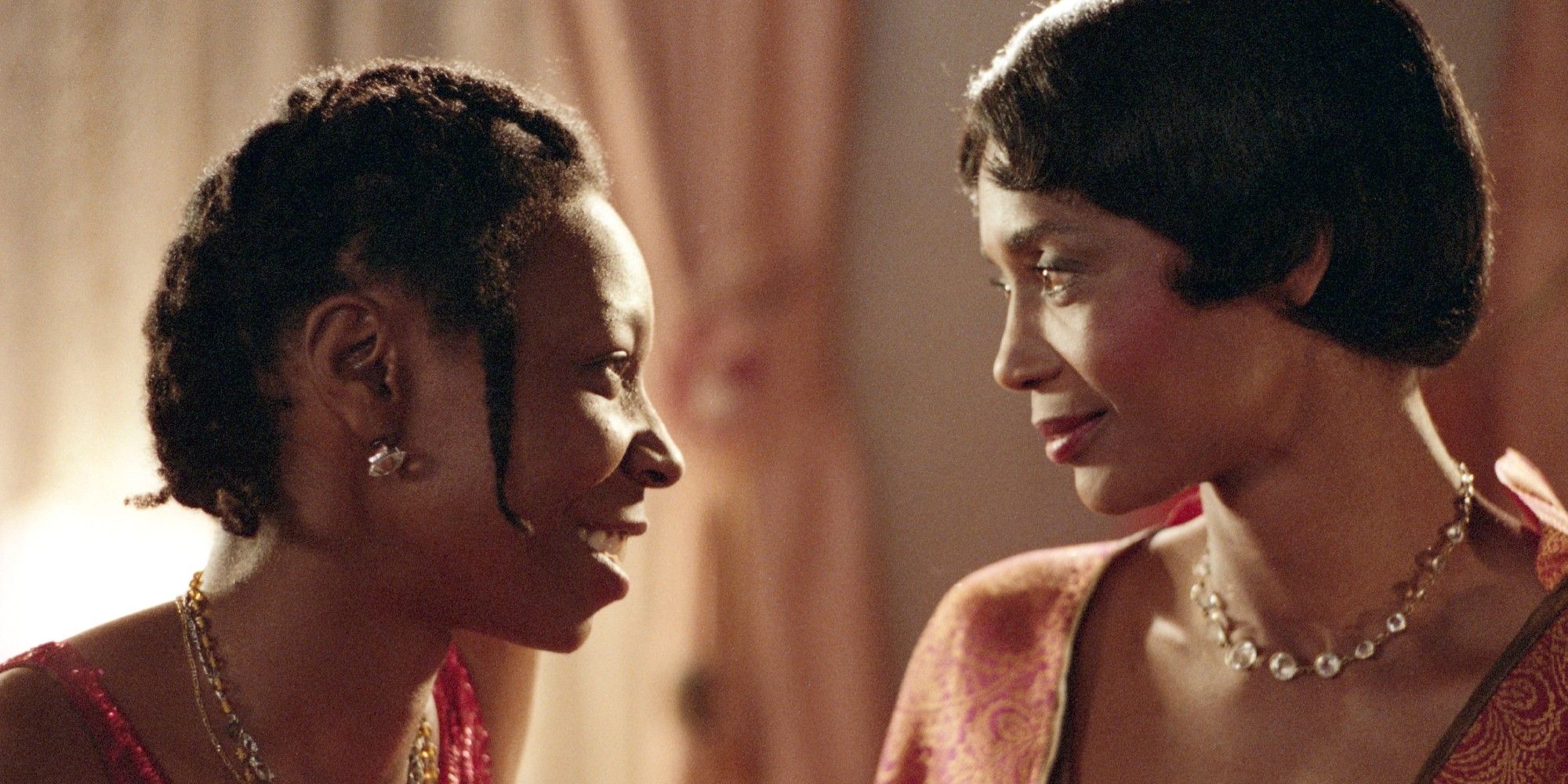
The coming - of - age music genre is beloved for its relatability and themes . However , movies in the literary genre centering around Black char are often overlooked .
9Krzysztof Kieslowski - Born: June 27, 1941, Died: March 13, 1996
Director of: Three Colours trilogy (1993-1994) and The Double Life of Veronique (1991)
Cast
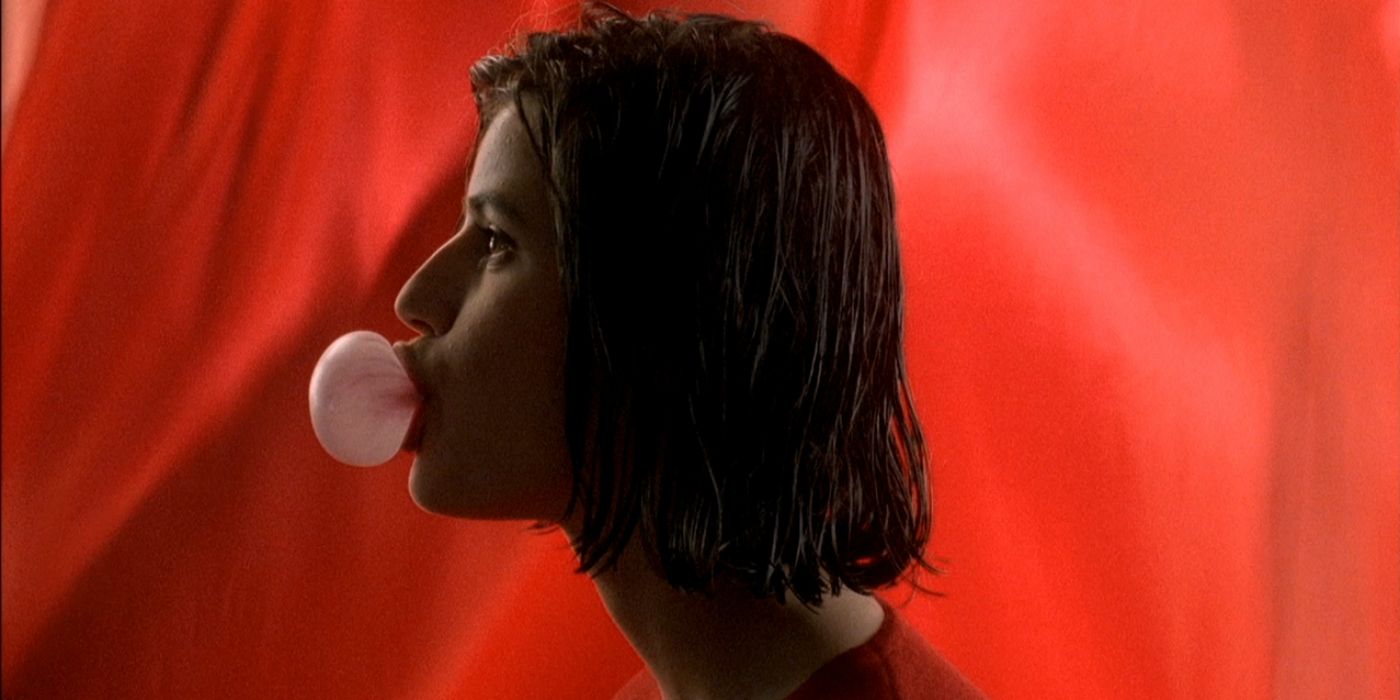
comprise of the filmsBlue , White , andRed , each of the movies in Krzysztof Kieslowski’sThree Colourstrilogy put ironic twists on the several ideals of impropriety , equivalence , and frat - as represent by the color on the Gallic iris . In particular , Three Colours : Redis for the most part regarded as one of the good movies ever made . Meanwhile , The Double Life of Veroniqueexhibits Kieslowski ’s fascination with the metaphysical and the blurred boundaries between reality and dreams - bring home the bacon the Palme d’Or at Cannes . Typically underscore by a dreamlike ambiance , Kieslowski ’s work delves into the unsounded interconnection of single lives .
8Raya Martin - Born: June 30, 1984
Director of: Independencia (2009) and How to Disappear Completely (2013)
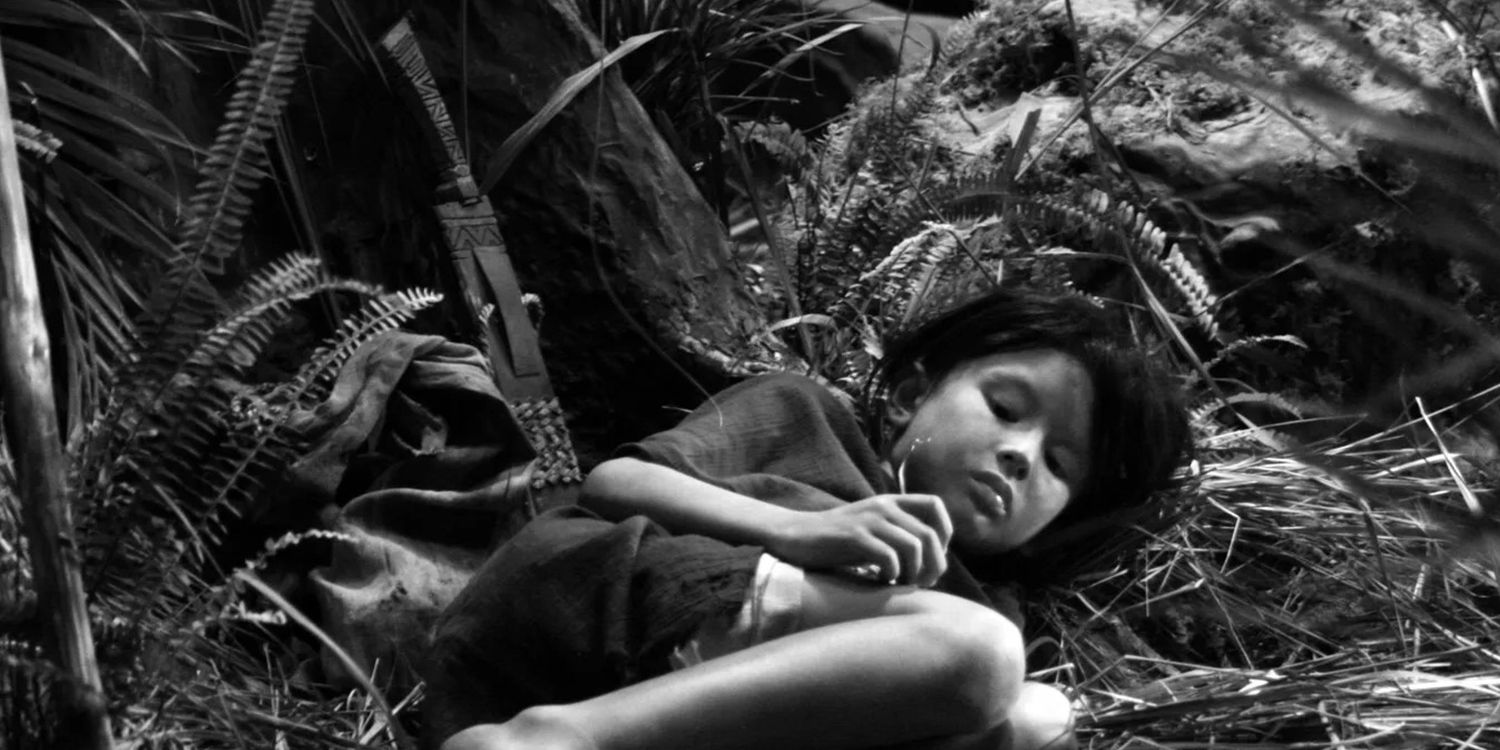
One of the manygreat directors who have n’t made new movies recently , Raya Martin isrelatively unknown due to the deep experimental nature of his films . The first Philippine filmmaker to be included in the Cinéfondation Résidence at Cannes , Martin rose to prominence withIndependencia , a traditionally produced soundless film that unravels the colonial , ethnic , and mythical story of the Philippines . InAutohystoria , Martin merges fable and documentary filmmaking . At the same fourth dimension , his moviesHow to Disappear altogether , little and Smaller Circles , andLa última películashow his voltage for mainstream recognition and success .
7Nagisa Ôshima - Born: March 31, 1932, Died: January 15, 2013
Director of: In the Realm of the Senses (1976) and Empire of Passion (1978)
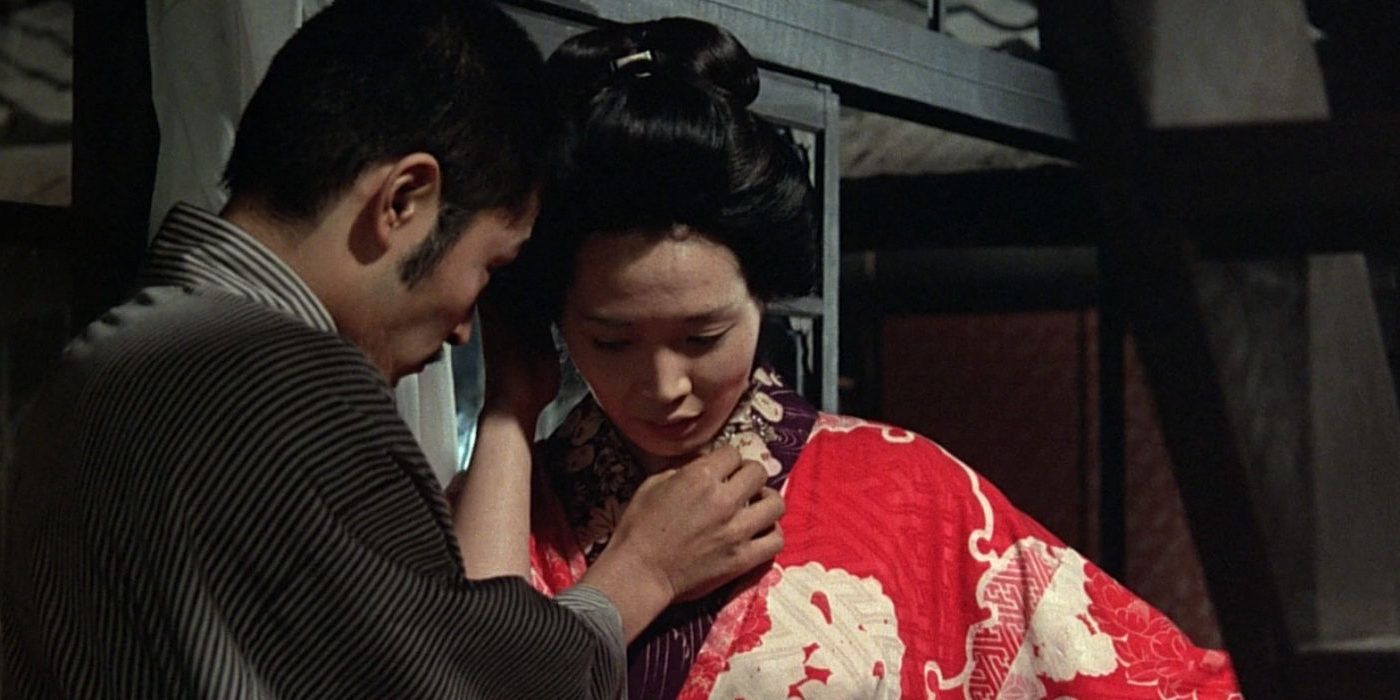
Akey figure of the Nipponese New Wave movie motion , Nagisa Oshima ’s movie confront sexuality and power dynamic , and are known for courting controversy . Oshima is perhaps most notorious forIn the Realm of the Senses , an explicit retelling of the story of killer and geisha Sada Abe , which sport unsimulated sex scenes . InThe Ceremony , Oshima raise the comedic side of research the darker corners of the human experience . ThroughEmpire of Passion , Oshima violently drag ' 70 erotic horror into arthouse cinema . While all of these movies collect outside flick award , Nagisa Oshima never run short mainstream in the west .
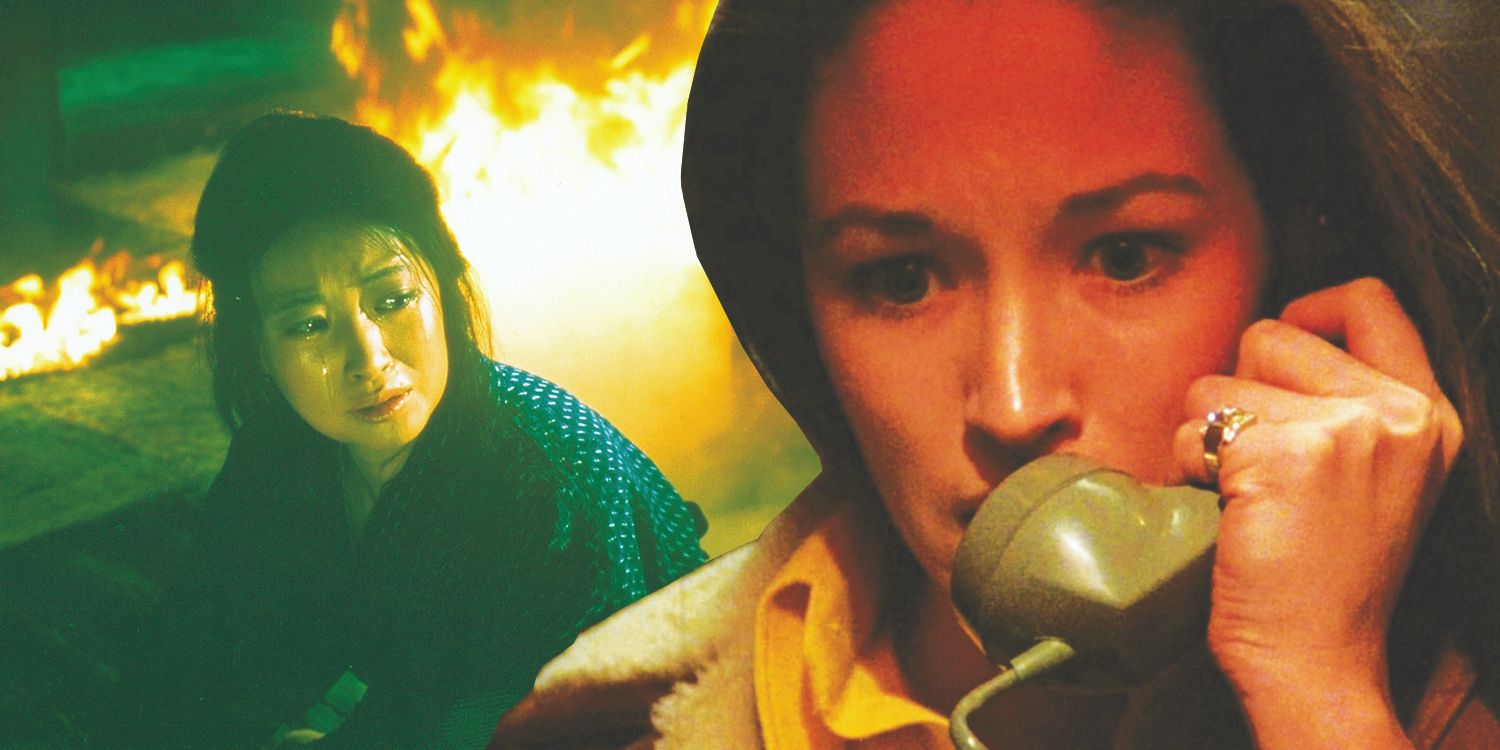
Many central horror moving picture figure were established in the 1970s , thanks to classic genre films like Black Christmas , The exorciser , Alien , and Jaws .
6Leos Carax - Born: November 22, 1960
Director of: Holy Motors (2012) and Bad Blood/The Night is Young (1986)
As experience in his filmsBoy Meets Girl , The Lovers on the Bridge , andBad Blood , Leos Carax first gained critical acclaim throughmovies that subvert romanticize opinion of the city of Paris . Indeed , Carax ’s films often explore motif of love , identity , and existentialist philosophy with a surrealistic and enigmatic approach . Carax ’s magnum opus , Holy Motors , is hailed as a chef-d’oeuvre of contemporary plastic film , weaving together multiple narratives to create a surreal meditation on the nature of performance and world . Despite frequent quislingism with A - list actors , Carax remains an obscure theatre director beloved in the main by experimental movie theater enthusiast .
5Ann Hui - Born: May 23, 1947
Director of: Ordinary Heroes (1999) and A Simple Life (2011)
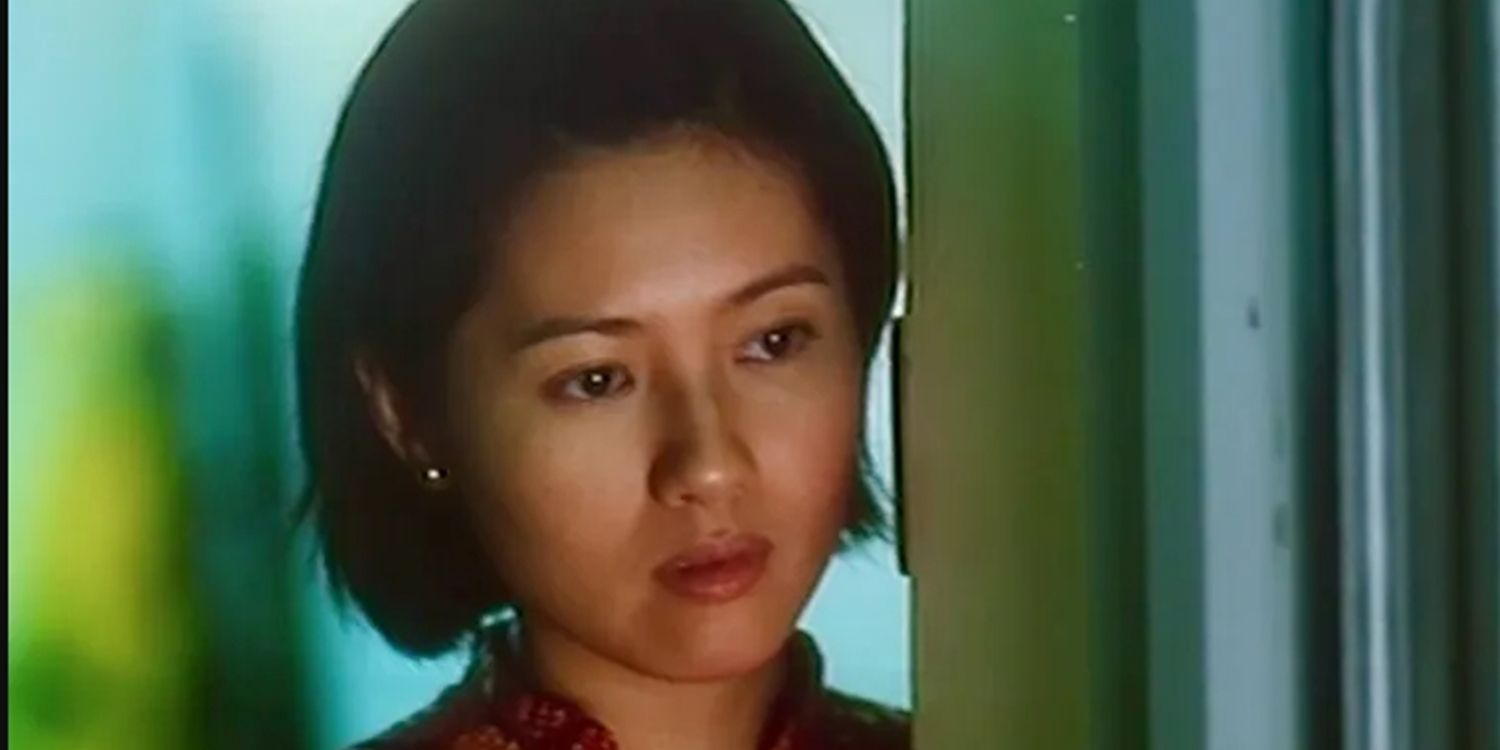
Unlike most well - knownHong Kong film masterpiece , which typically focalise on legal action , romance , or comedy , Ann Hui ’s moving-picture show diverge from these themes , and insteaddive into the city ’s societal , political , and ethnic chronicle . Ordinary Heroesis about societal reform activist in Hong Kong , whileOur Time Will Cometackles the geological era of Japanese occupation . Meanwhile , Hui ’s most awarded films -A Simple LifeandSummer Snow- are earnest play about average Hong Kong families . Despite countless award - including the Lifetime Achievement Award at the Asian Film Awards - Ann Hui remains a cult political movie house figure .
4Wong Kar-Wai - Born: July 17, 1956
Director of: In the Mood for Love (2000) and Happy Together (1997)
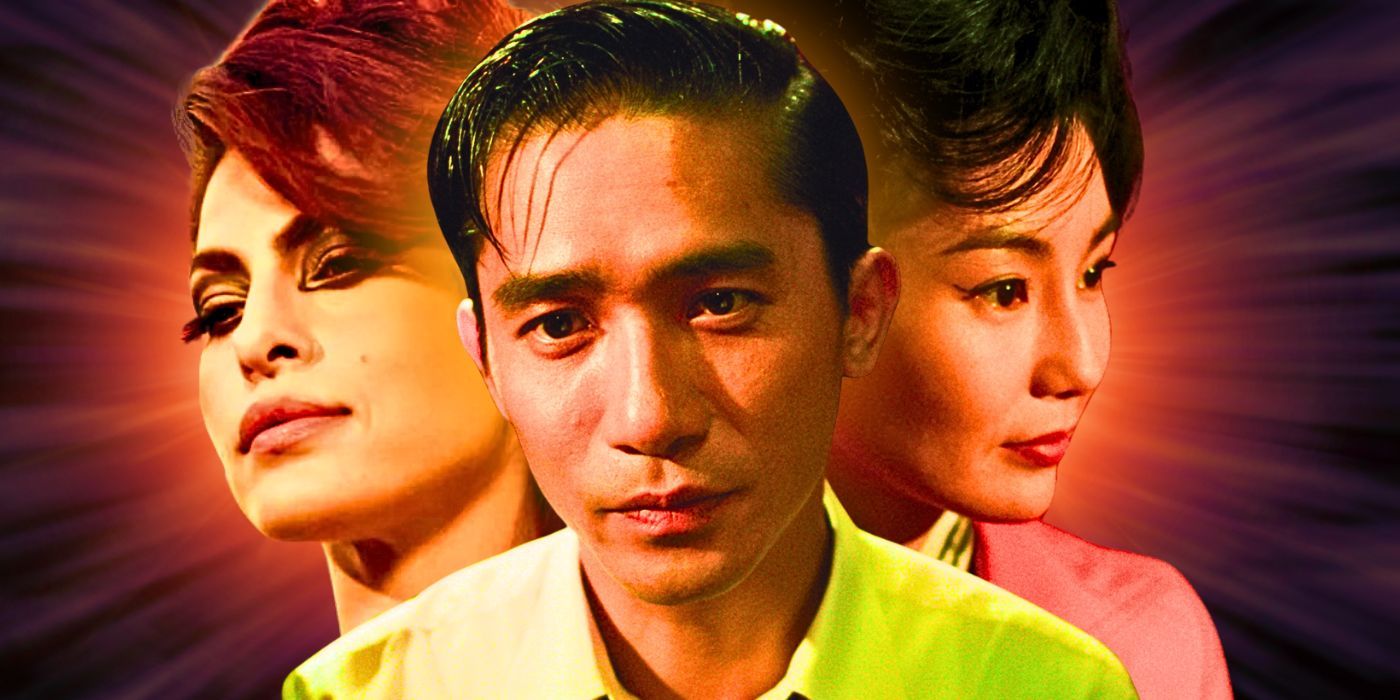
Few other director have so affectingly captured the melancholy of erotic love and fall back as Wong Kar - Wai . These themes are explored through the experiences of a freewheel mates inHappy Together , an iconic queer film from the ' 90s . Meanwhile , In the Mood for Loveand2046tell the protract story of an unconsummated affair between two lovers . Even in the action epicAshes of Time , Kar - Wai ’s movies are all aboutbroken hearts and the pain in the neck of longing and desire . Although highly acclaimed , mainstream recognition has evade Wong Kar - Wai - but this could change after his approaching rags - to - riches drama seriesBlossoms Shanghai .
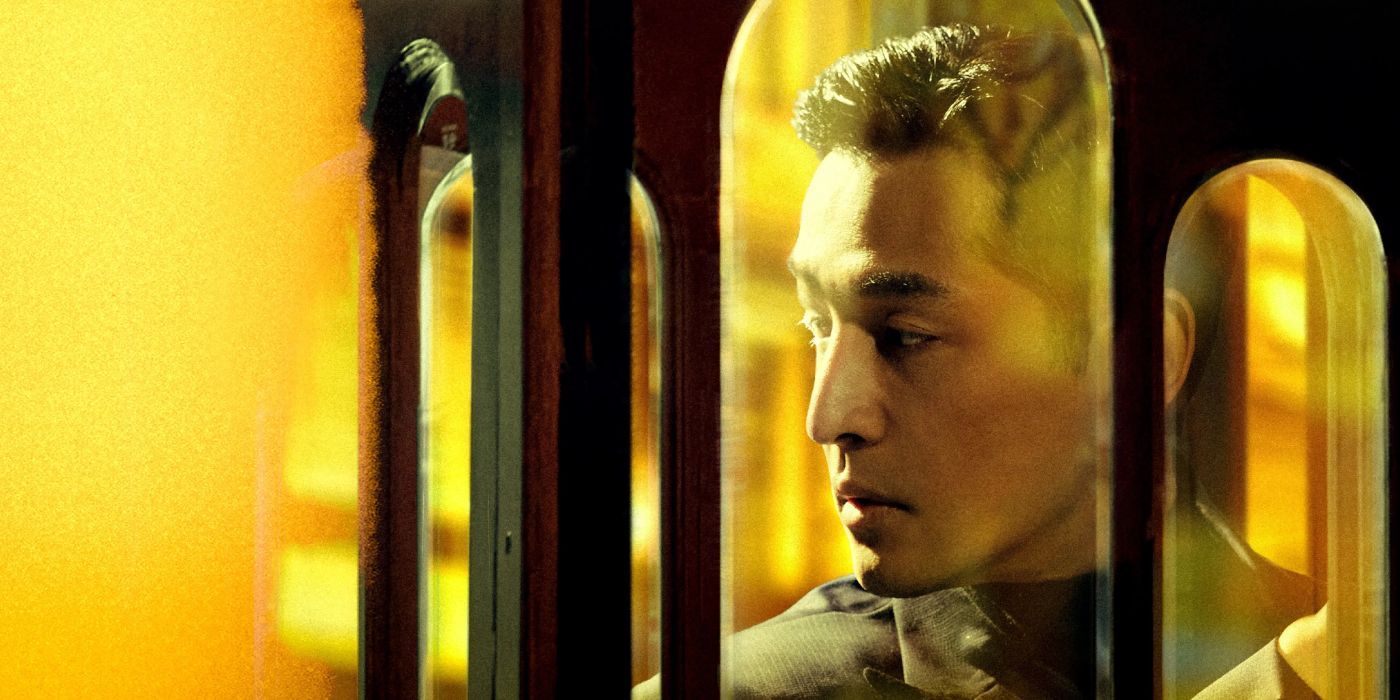
The TV serial publication Blossoms Shanghai is an coming tag end - to - rich people dramatic event serial and here ’s everything to lie with about the exit date , casting , and narration .
3Kenji Misumi - Born: March 2, 1921, Died: September 24, 1975
Director of: The Lone Wolf and Cub films (1972-1993) and Shogun Assassin (1980)
Though his name may be unfamiliar to most audience today , Kenji Misumi ’s expert shading of martial arts choreography and storytelling helpedelevate the samurai film genre to new height . He achieved plaudit as a director for theLone Wolf and Cubmovie series - base on the manga by Kazuo Koike and Goseki Kojima - which featured fighting sequences ahead of its time . Misumi ’s natural process - drive dramatic trend arguably reach out its zenith inShogun AssassinandThe Last Samurai , his final lineament pic . Today , nearly every modern-day movie , show , or anime about samurai owe a debt of gratitude to Misumi ’s filmography .
2Satyajit Ray - Born: May 2, 1921, Died: April 23, 1992
Director of: The Apu Trilogy (1955-1959) and The Stranger (1991)
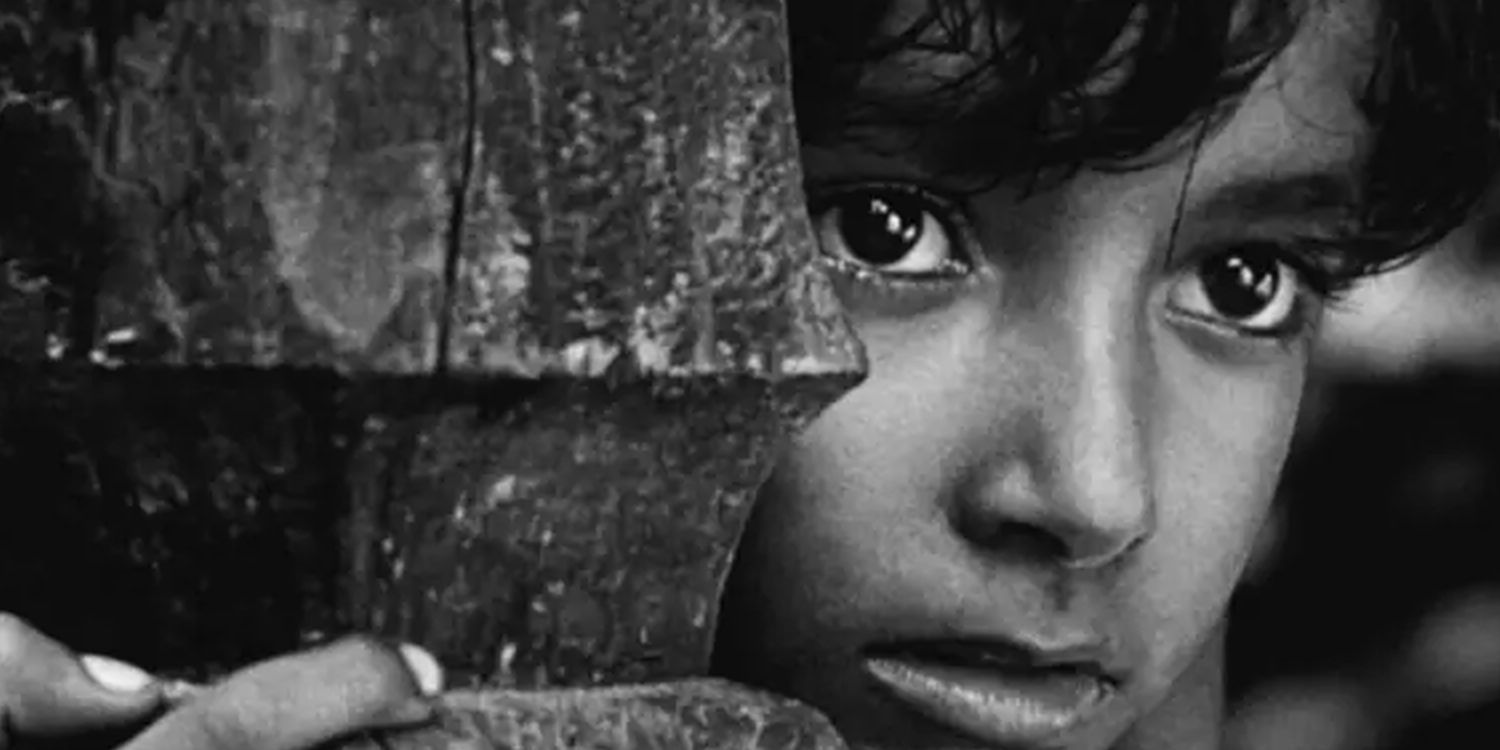
Intricate character field andpoignant portrayal of societal way out are distinctive of Satyajit Ray ’s film . Ray first went orbicular with his debut , Pather Panchali -one of thebest motion-picture show in Indian cinemahistory and the first installment in the acclaimedApu Trilogy , a come - of - age Bengali epic poem . He continued to make masterpieces throughout his calling , includingCharulata , The Music Room , andThe Stranger , each offering profound insight into the complexities of human nature and relationships . Apart from being a director , Ray was also a fecund poet and composer - who astonishingly never achieved mainstream fame in the Rebecca West .
1Wim Wenders - Born: August 14, 1945
Director of: The Road Trilogy (1974-1976) and The American Friend (1977)
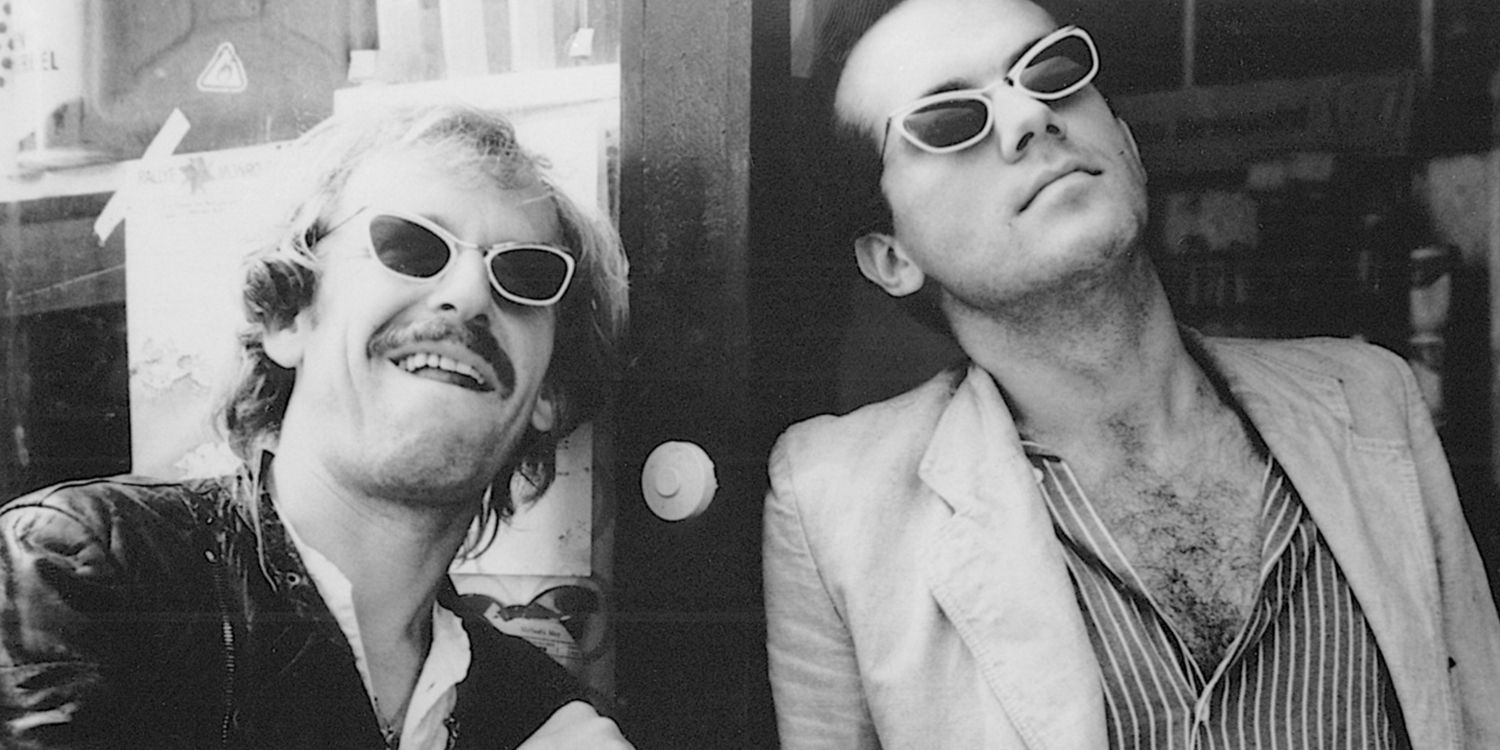
Wim Wenders is most famed forThe Road Trilogy , the unofficial primogenitor of the road trip film literary genre . Wenders is a frequent awardee of the Cannes Film Festival ’s Ecumenical Jury Prize - most recently forPerfect Days , another road trip drama . He also directedThe American Friend -one of thebestTom Ripleymovies- andWings of Desire , a poetic speculation on Angel observing manhood in Berlin . Indeed , Wenders ' movies typically involve the component of travel , around which he evokes existential themes and cathartic introspection . Despite his relative obscurity , Wenders ' impact on contemporaneous road trip films is undeniable .
Created by: Debanjana Chowdhury