Related
Summary
Obscure and underappreciated flick trilogy typically focalize on substance over spectacle . Despite circumscribed recognition , they offerhidden treasure for cinephiles seeking innovational storytellingbeyond mainstream blockbuster . Their significance lies in pushing creative edge and challenging traditional filmmaking norms . Although these trilogies never achieved widespread commercial-grade success , many have garnered dedicated craze followings , external honour , and leading decisive reviews .
For most looker , thebest film trilogy of all timedon’t always admit these obscure enfranchisement , whichcommonly contain unconventional filmmaking technique , or seek to push the boundary of cinematic artistry . While lack blockbuster appeal , these corner trilogies contribute to the rich tapestry of film story , softly earning a place in the hearts of cinephiles who treasure the art of storytelling in its many nuanced forms . Overall , obscure and underappreciated motion-picture show trilogy are a testament to the breadth and deepness of the filmmaking landscape , showcasing the artistry and creativity that extend beyond the mainstream calcium light .
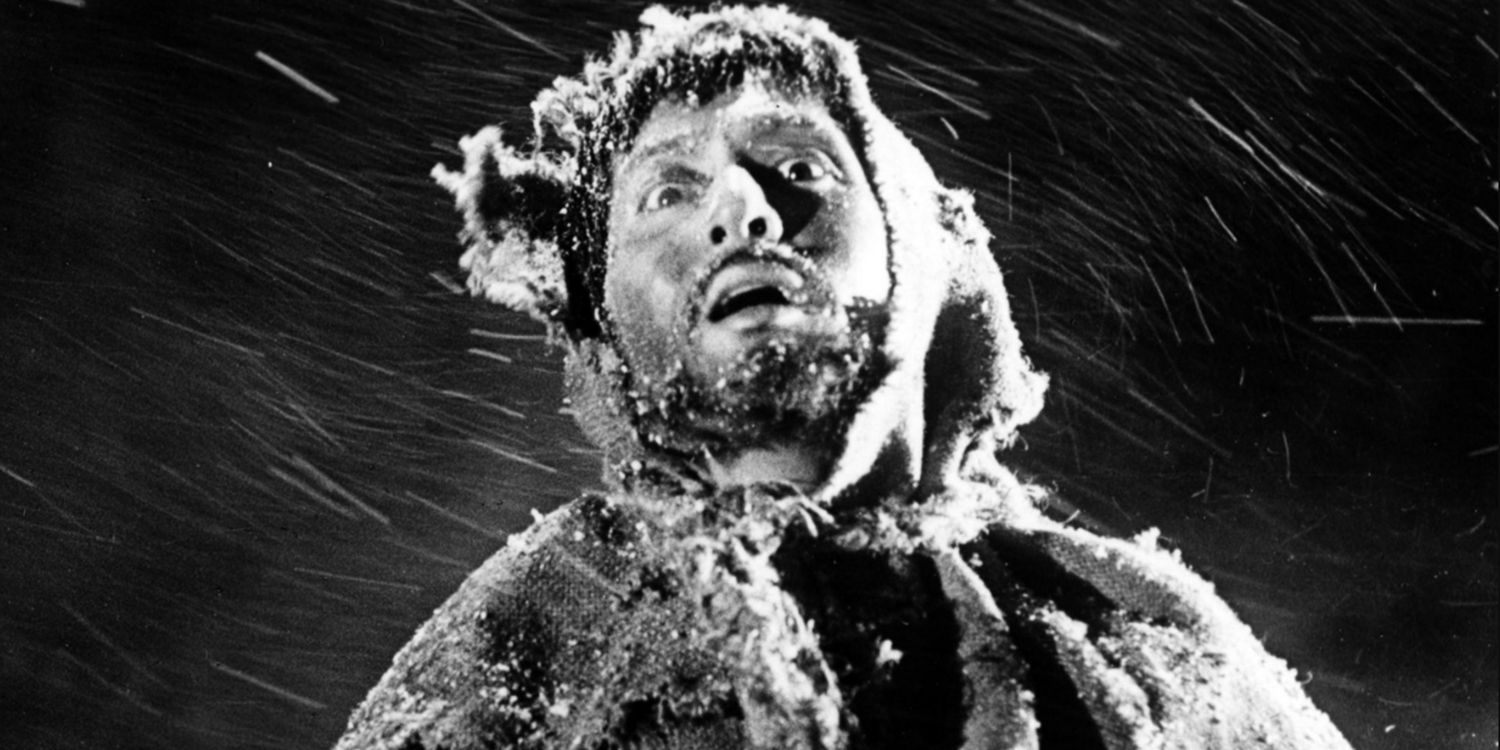
10The Human Condition (1959-1961)
Directed by: Masaki Kobayashi
Set in World War II , The Human Conditiontrilogy follows the arduous journeying of Kaji , a Japanese socialist , as he navigates through the horrors of warfare . While not often cited alongside thebest warfare motion picture of all time , this trilogy may be themost complete epic mod warfare drama ever , even though it ’s almost unknown today . From Kaji getting forcibly drafted into war inNo Greater Love , his disillusionment with the Japanese army inRoad to Eternity , to his experiences as a prisoner of state of war inA Soldier ’s Prayer , The Human Conditionis driven by its impeccable pacing and authenticity .
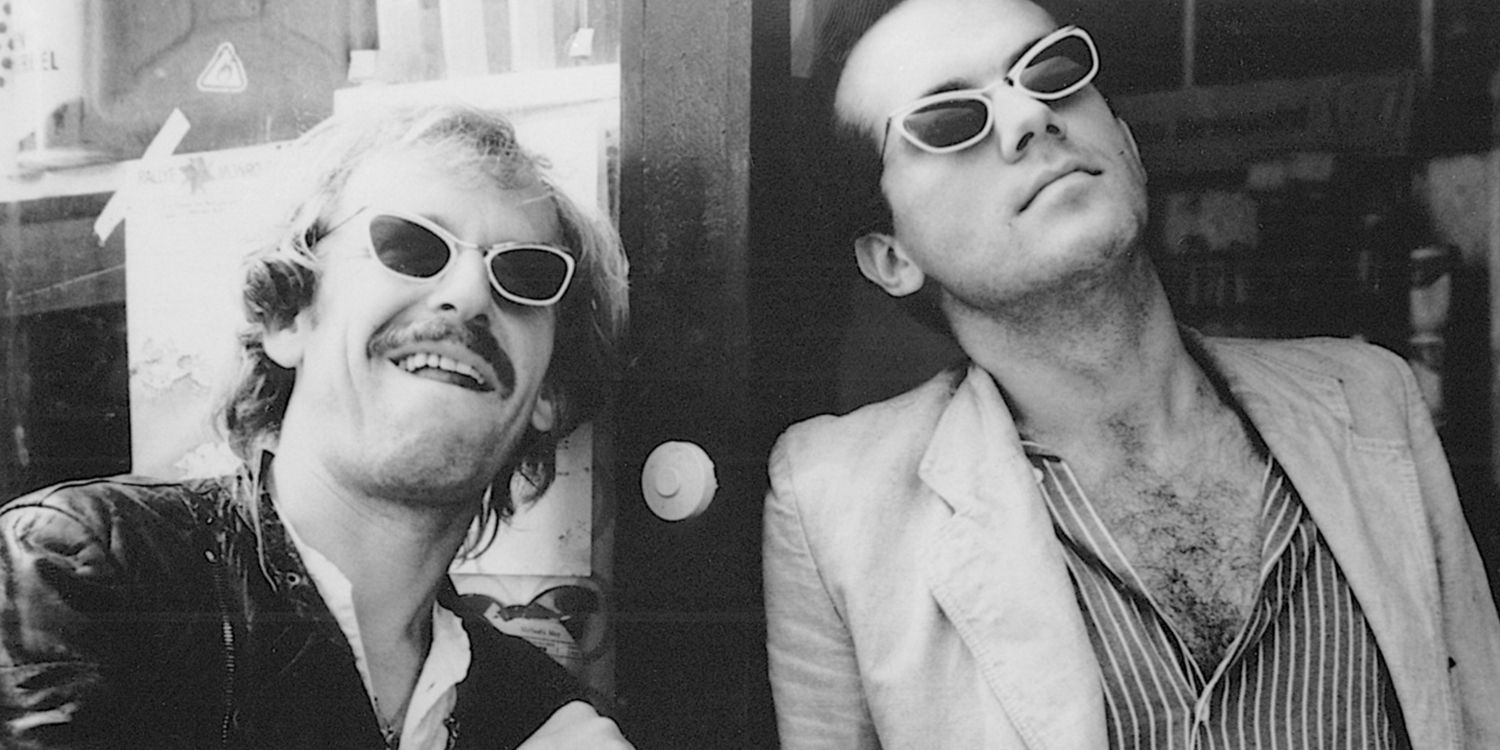
9The Road Trilogy (1974-1976)
Directed by: Wim Wenders
Amid wandering grapheme traversing landscapes both strong-arm and emotional , The Road Trilogyepitomizes director Wim Wenders ' geographic expedition of experiential melodic theme and the lookup for identity . The filmsAlice in the Cities , Wrong Move , andKings of the Roadaren’t connected in a tale sense . or else , they are unite by one paper : going on the road as a cure for ennui and societal disjuncture . enamor the centre of post - war Germany and the universal quest for belong , The Road Trilogystands as a cornerstone of New German Cinema . These sorely underappreciated films represent the very roots of contemporary road trip motion-picture show .
The road trip moving-picture show formula has essay to be a seemingly interminable well for Hollywood . Here are some of the best , underrated road trip films .
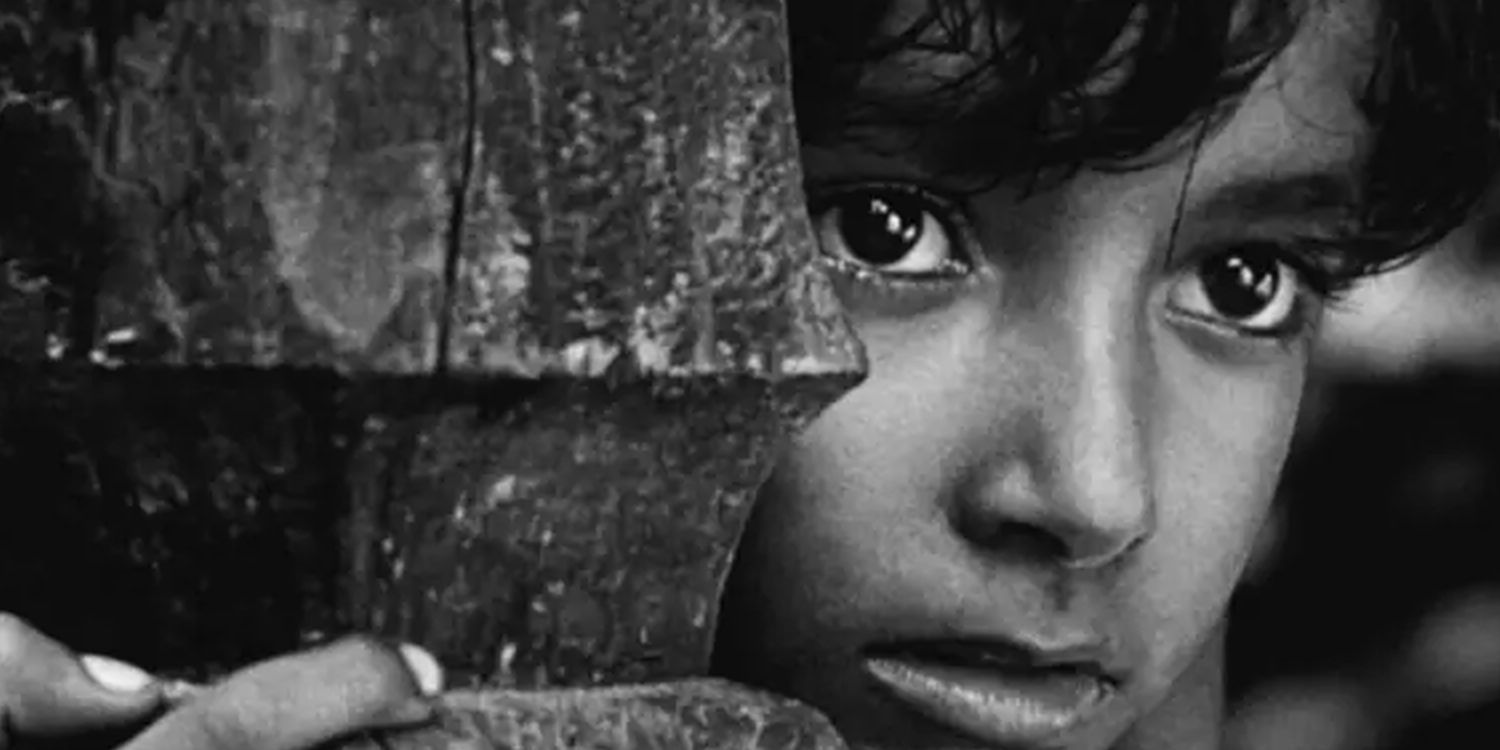
8The Apu Trilogy (1955-1959)
Directed by: Satyajit Ray
Thecoming - of - age photographic film genre would n’t be where it is today withoutThe Apu Trilogy . Based on the authoritative Bengali novel of the same name , the first filmPather Panchaliopens the trilogy with Apu ’s life as a unseasoned poverty-stricken boy in a rural hamlet . As a fry , Apu navigate caste and socioeconomic kinetics , but confront even more complex dilemmas as he grows up inAparajitoandApur Sansar . Told through Satyajit Ray ’s visionary , poetic , but underappreciated filmmaking mode , Apu ’s journeying through adolescence and adulthood well captures the beauty and struggles of rural biography - and evermore transfer coming - of - age film .
7The Vengeance Trilogy (2002-2005)
Directed by: Park Chan-wook
There are manyrevenge film likeOldboy , Sympathy for Mr. Vengeance , andLady Vengeance . However , Park Chan - wook’sThe Vengeance Trilogyis singular in itsencompassing geographic expedition of both the visceral appeal and consequences of seeking even justified revenge . Not for the faint of tenderness , these thriller combine extremely lifelike force with psychological drama , and are think by many to be extremely loathsome . Although every one of these films are extremely awarded -Oldboyis even for the most part reckon as one of the adept movies ever made -The Vengeance Trilogyas a whole has never truly achieved mainstream recognition .
6Three Colours Trilogy (1993-1994)
Directed by: Krzysztof Kieślowski
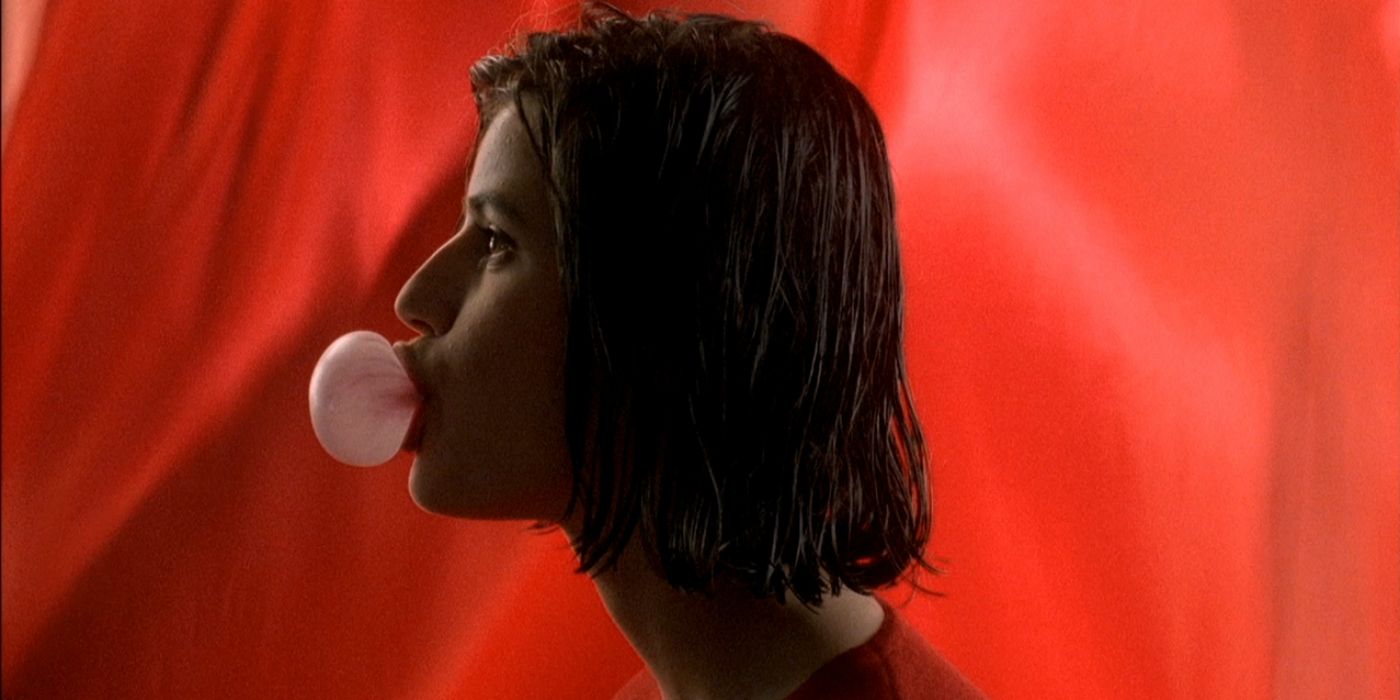
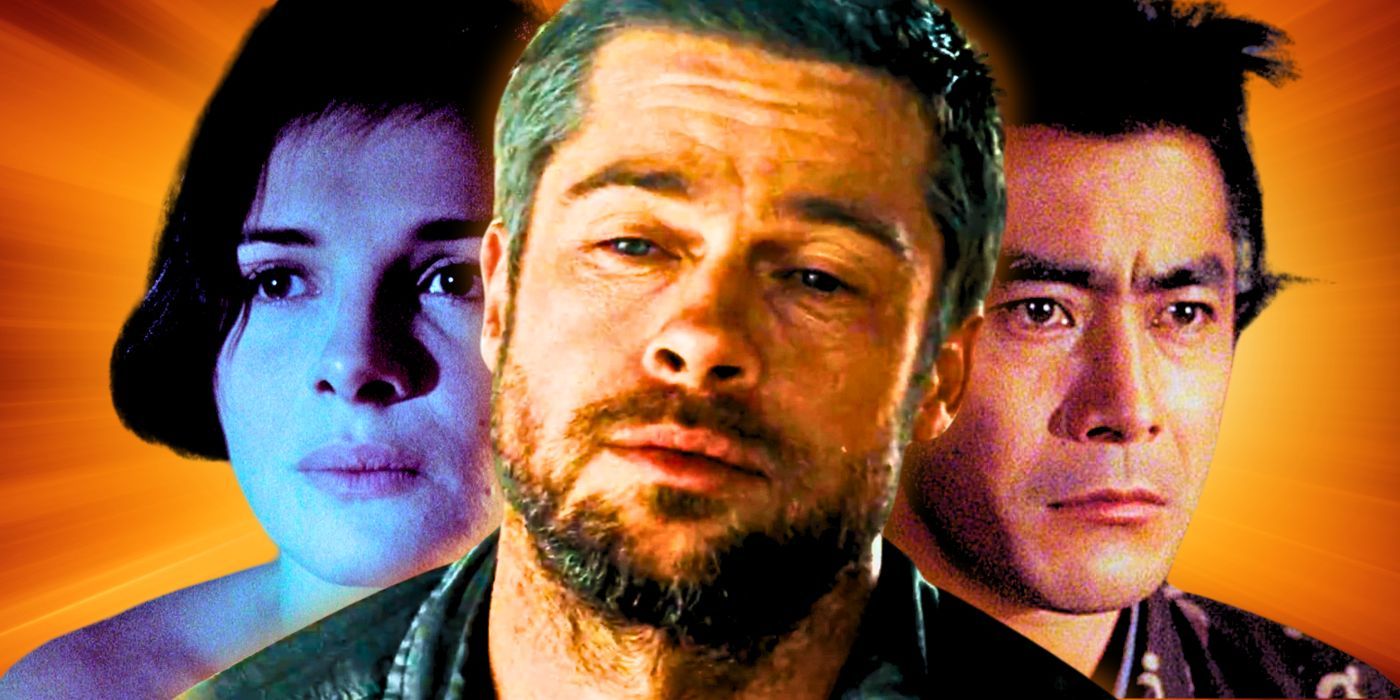
Krzysztof Kieślowski ’s filmsBlue , White , andRed -respectively symbolizing liberty , equality , and fraternity on the Gallic flag- offer cagey narrative twist based on their prescribed meanings . Bluefocuses on a charwoman who shinny to continue living after her married man ’s dying , Whiteis about one human being ’s darkly comedic fight for equality in his turbulent marriage , andRedsees two individuals from very different backgrounds finding companionship amid chaotic social association . TheThree Colourstrilogy arguably peaked withRed , but each of these obscure moving-picture show are landmark contributions to the world of psychological drama and love story .
Ending a picture show enfranchisement with the unspoilt potential film is a die art . Here are the franchises that showed audience and filmmakers alike how it ’s done .
5Pusher Trilogy (1996-2005)
Directed by: Nicolas Winding Refn
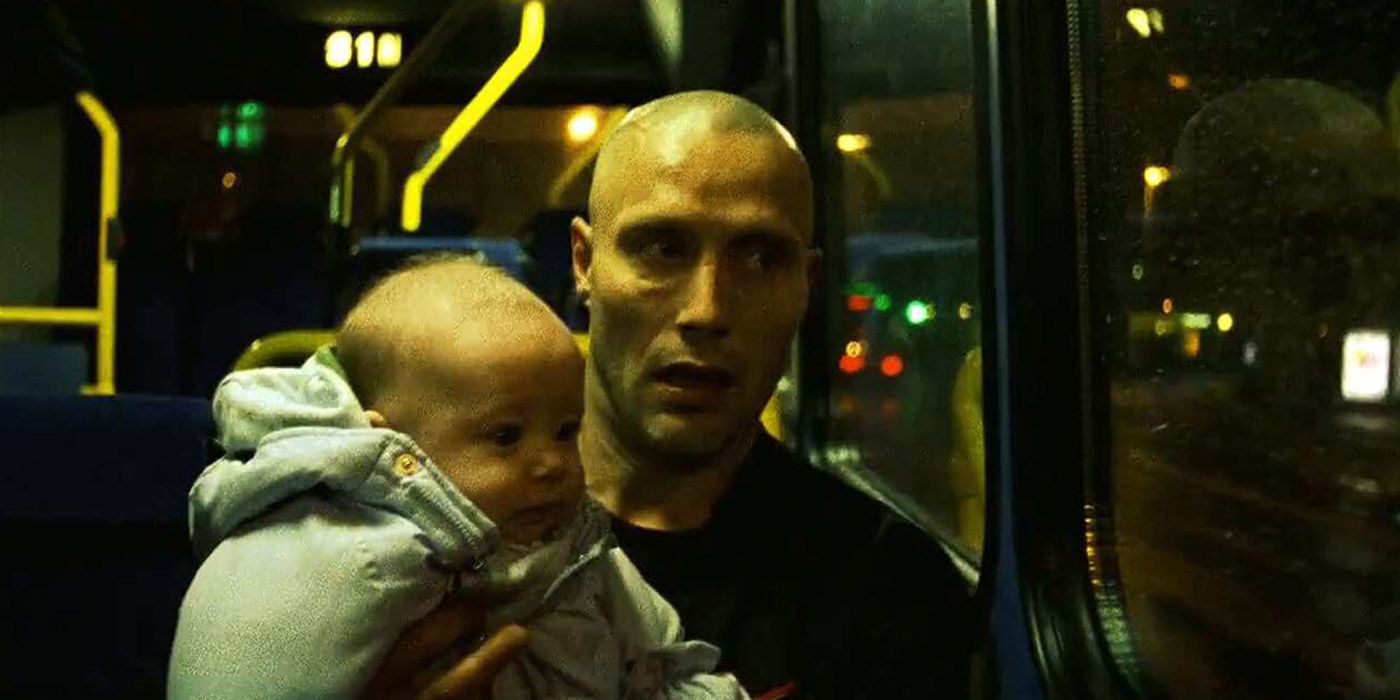
An epic criminal offense thriller saga , thePushertrilogy start out with a calendar week in the life history ofan progressively depraved mid - level drug principal who must determine a way to yield his provider . Pusher 2then continue with the aforesaid drug monger ’s even crushed - degree pal , who must also make do with fatherhood . InPusher 3,the focal point transferee to the criminal boss of the first two character , offering a more top - down view of underworld enterprise . While not as popular asDrivedirector Nicolas Winding Refn ’s other films , thePushertrilogy is actually comprised of Refn ’s most critically acclaimed works .
4Samurai Trilogy (1954-1956)
Directed by: Hiroshi Inagaki
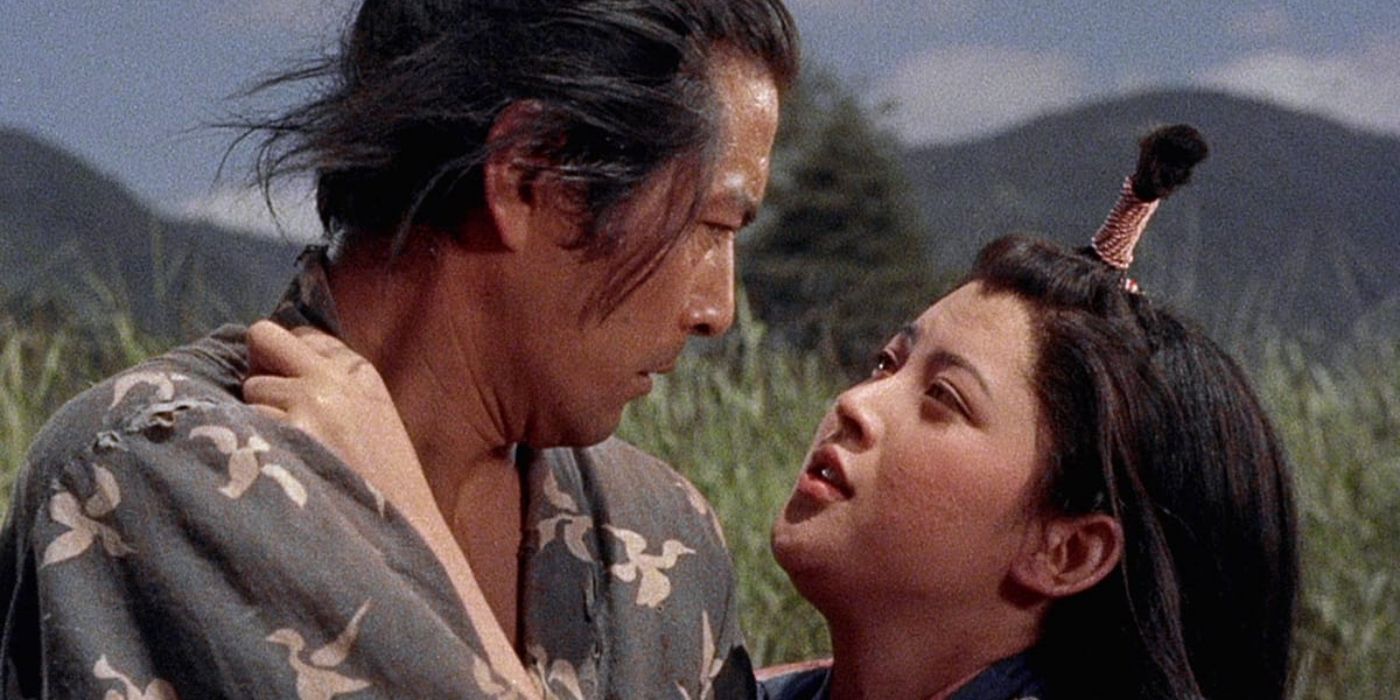
FromMusashi MiyamotoandDuel atIchijoji TempletoDuel at Ganryu Island , Hiroshi Inagaki’sSamurai TrilogyfollowsMusashi ’s phylogeny from a reckless young warrior to a skilled swordsman and philosopher . Despite the relative obscurity of these films , they are contemporaries of thebest samurai movies ever , many of which are in reality to a great extent act upon by Inagaki ’s study . Though the trilogy tackles the raise of one of Japanese history ’s not bad swordsman , they notably lack the bloodshed that ’s distinctive in such films , and or else focuses on Musashi ’s reference development amid some of the most turbulent years in feudal Japan .
3Europa Trilogy (1984-1991)
Directed by: Lars von Trier
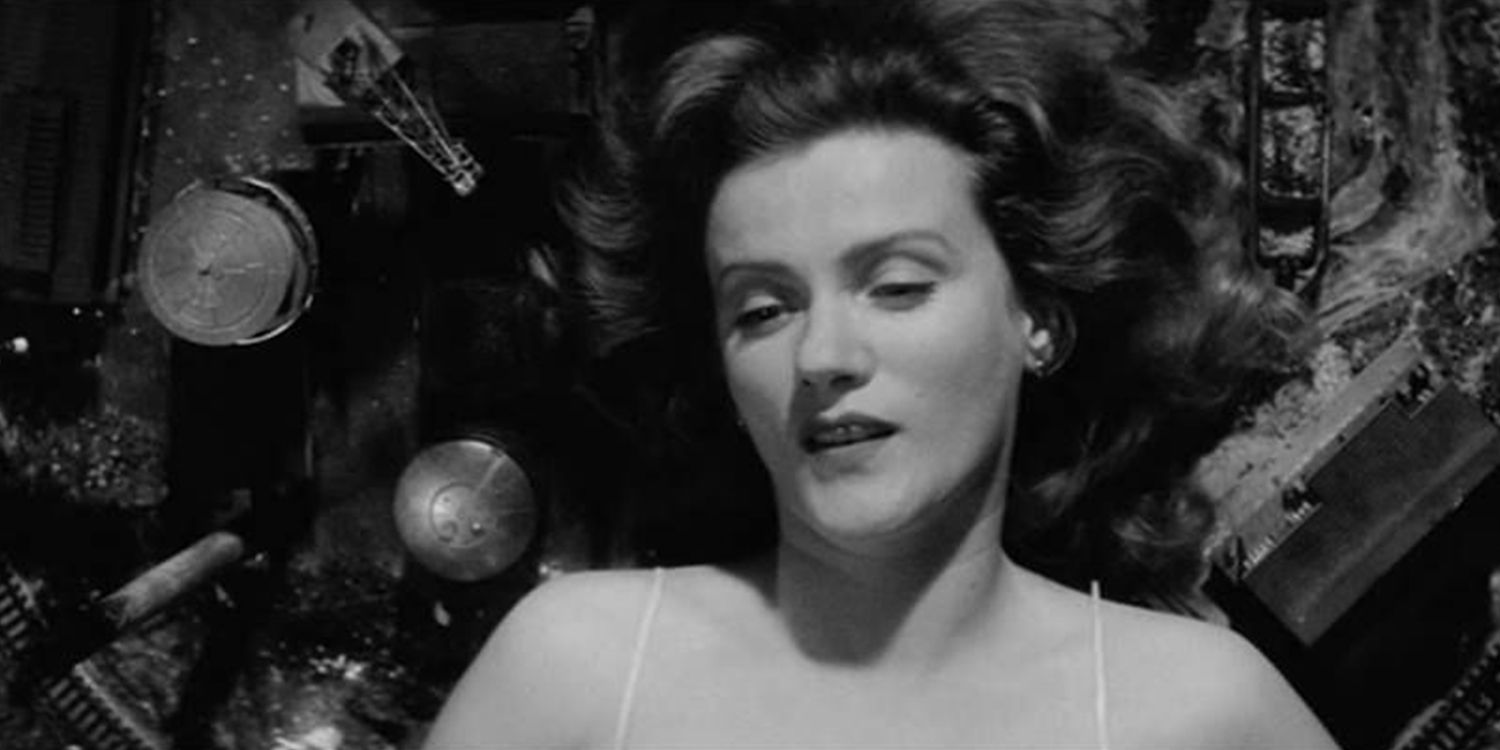
Lars von Trier ’s thematicEuropatrilogy is a relatively unknownexperimental psychological play serial . The Element of Crimesees a detective getting mesmerise to recall his last grammatical case . In the metafiction comedic horrorEpidemic , two screenwriters shinny to complete the script for a medical narration . lastly , Europais a menstruum drama that was inspired by Frank Kafka’sAmerika , explore the web of intrigue and espionage left behind in civilian Germany after World War II . Though obscured from mainstream audiences due to their experimental nature , theEuropatrilogy is a well - rounded display case of von Trier ’s contributions to arthouse cinema .
Lars von Trier is a highly controversial director with an telling horror filmography that span forty age ; here are his revulsion films order .
2Love Trilogy (1990-2004)
Directed By: Wong Kar-Wai
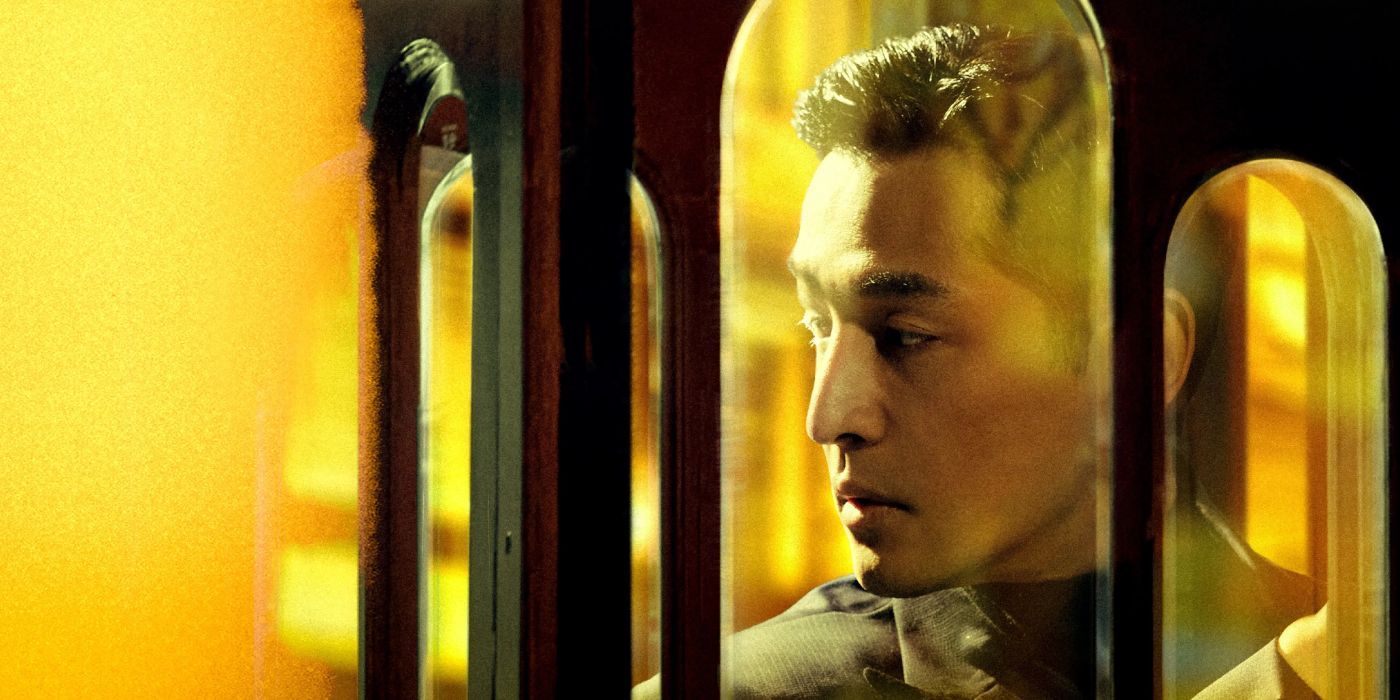
Wong Kar - Wai’sDays of Being Wild , In the Mood for Love , and2046are narratively link up - but considered to be an informal trilogy . The serial explores the elaborateness of sexual love , longing , and human connexion against the backdrop of Hong Kong ’s vibrant landscape , its cast of fiber sail quixotic web and searching for meaning in their life . Through the genus Lens of Kar - Wai ’s sensational filming and nonlinear storytelling , theLovetrilogyallegorizes the colonial history and subsequent diaspora of Hong Kong ’s people- but from a tragically romanticize lens . Despite their artistic carrying out of pop themes , Kar - Wai ’s films stay comparatively obscure .
The TV series Blossoms Shanghai is an forthcoming rag - to - riches dramatic play serial and here ’s everything to know about the discharge date , cast , and story .
1Trilogy of Death (2000-2006)
Directed By: Alejandro González Iñárritu
WhileAmores perros , 21 Hans C. J. Gram , andBabelaren’t just obscure films , not many know that they in reality incorporate film director Alejandro González Iñárritu’sTrilogy of Death . These films are n’t directly connected , but are insteadthematically connect by Iñárritu ’s penchant for interwoven multi - narration that somehow coalesceat certain points . Despite what the title of the trilogy incriminate , these flick actually perfect in on the interconnect nature of life , exploring causality across time , space , and unexpected societal bonds . The trilogy ’s many accolades arguably discount it from being underappreciated - however , theTrilogy of Death’scontributions to nonlinear film definitely merit more kudos .


Created By: Debanjana Chowdhury