Related
Summary
Claremont ’s visual aspect on theJay & Miles X - manifest the X - Menpodcast essay to be full of exciting insights into the formative long time of theX - Menfranchise , which the source shape into Marvel ’s most profitable , and recognizable , dimension through the 1980s and early ' 90s .
As Claremont noted at one point during the interview , his taradiddle have show so enduring , in large part , because they emphasise character - driven narrative advance over regular enceinte issue series . He explained that anover - reliance on crossovers and write up events can leave in characters being reduce to " legal instrument of a greater plot . "
Jonathan Hickman is perhaps as close to an important root on amusing leger persistence readers can get , & his account is predictably insightful .
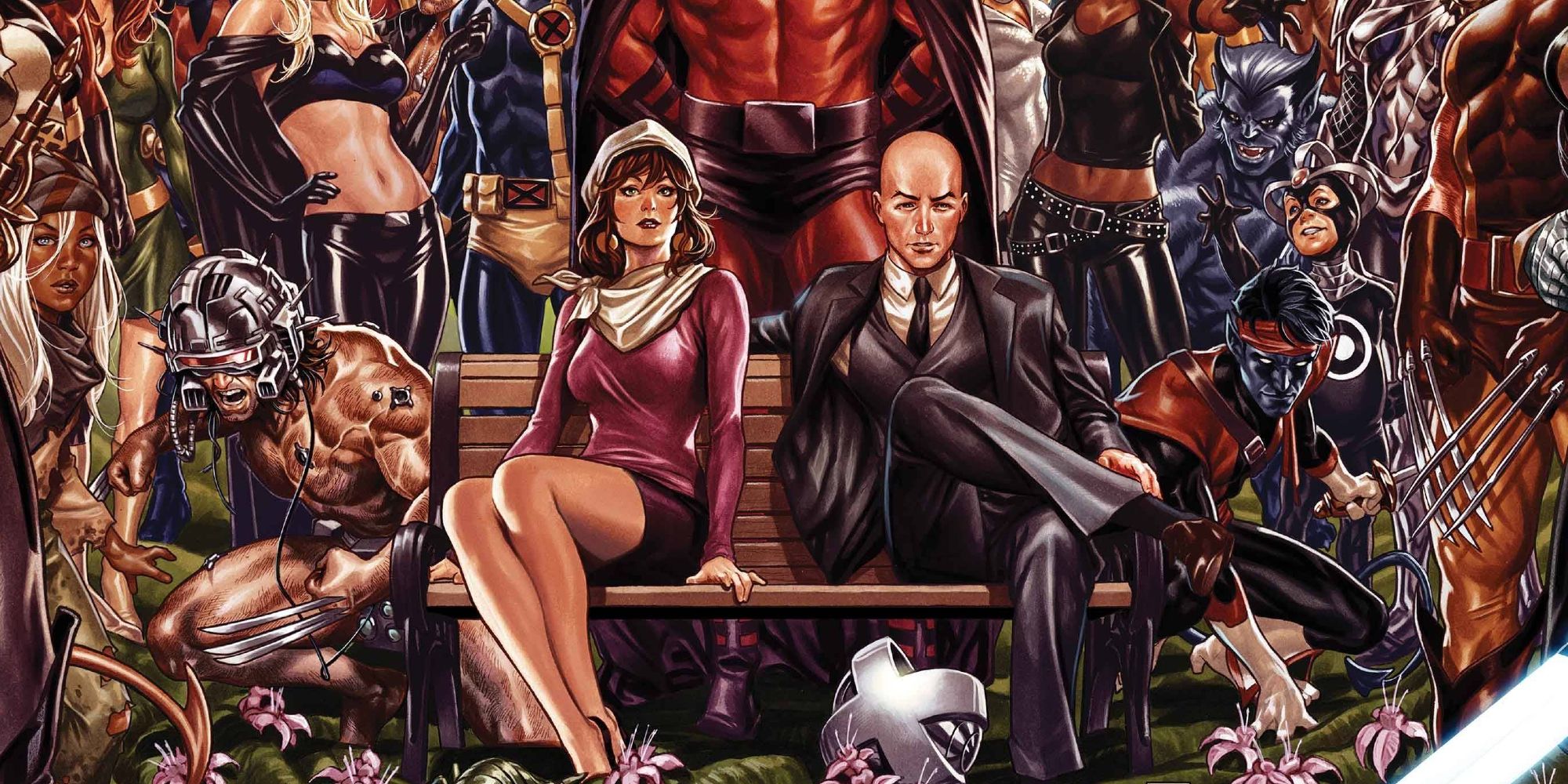
Crossovers Are Fun, But They Interrupt Long-Term Storytelling
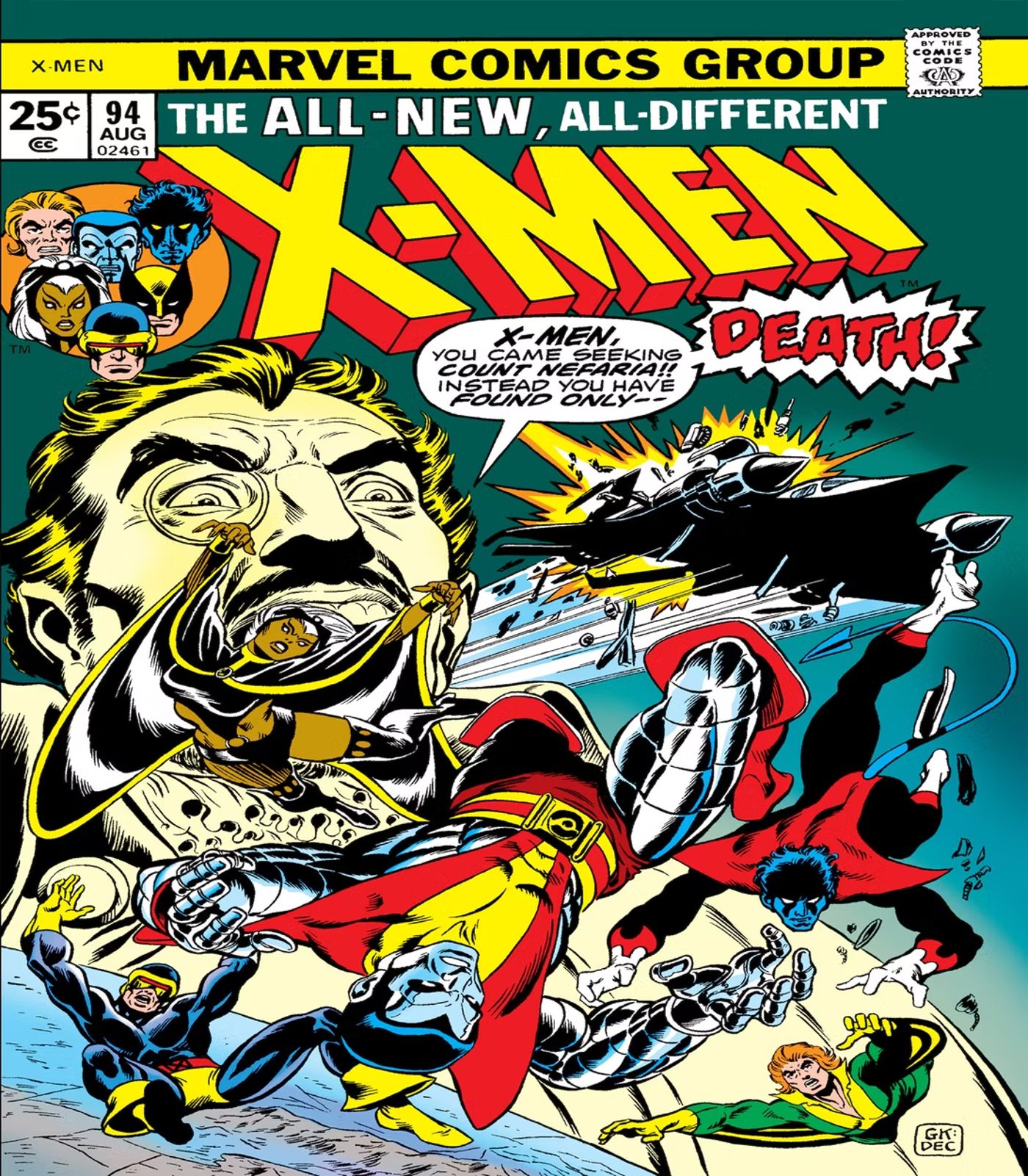
" There does n’t seem to be as much development , and focus on the characters as citizenry , " Chris Claremont explain during his Jay & Miles appearance , " rather than pawn of a corking plot construction . " He cite this as a major divergence between his longtenure onUncanny X - Menand the late evolution of theX - line of products of comics at Marvel . Claremont famously conjoin the franchise withX - Men#94 in 1975 , afterwards steer it through its rebrand toUncannya few years later , and its burst in popularity in the ' 80s , up through his departure in the early ' 90s overincreasing creative difference .
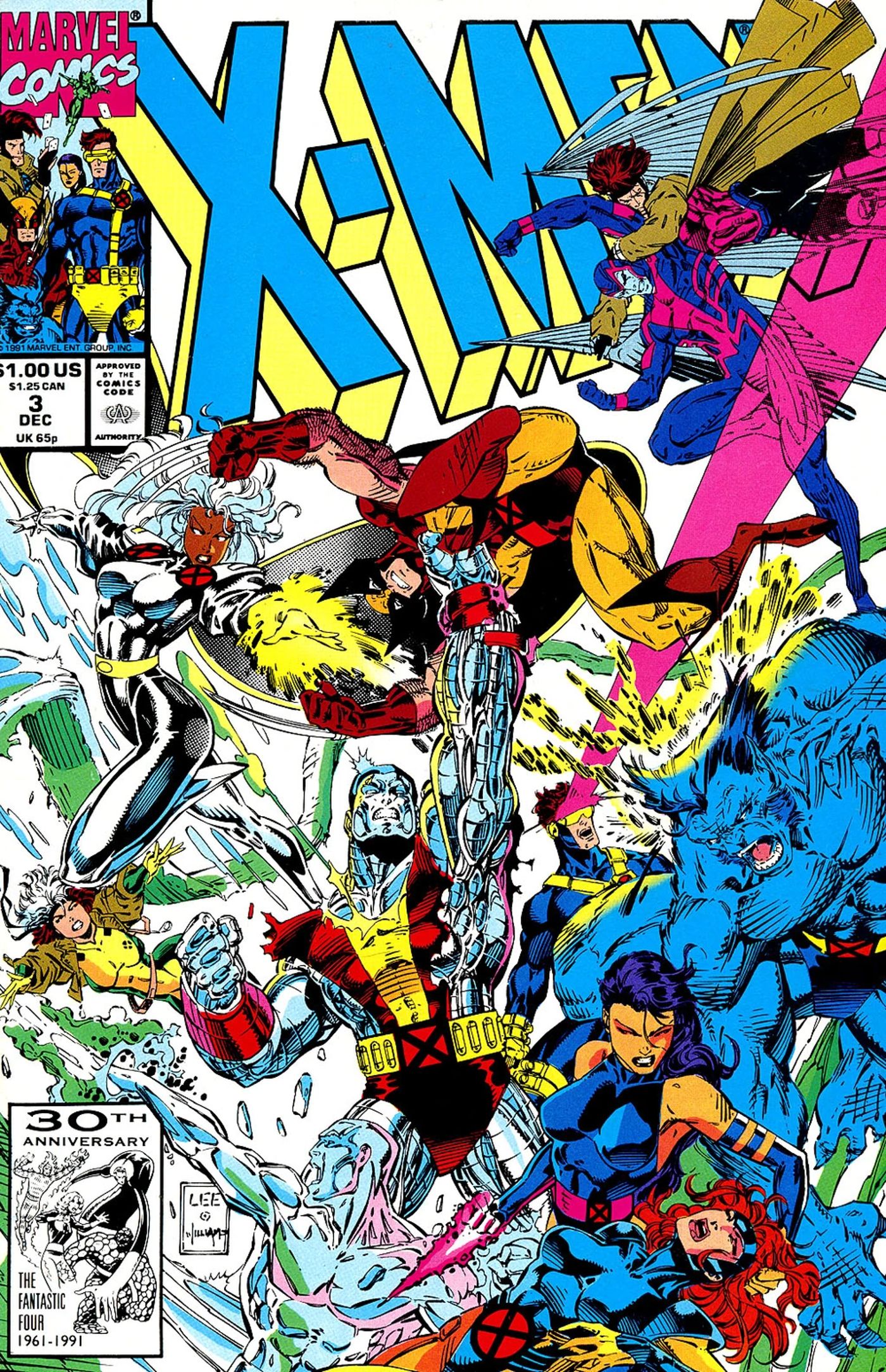
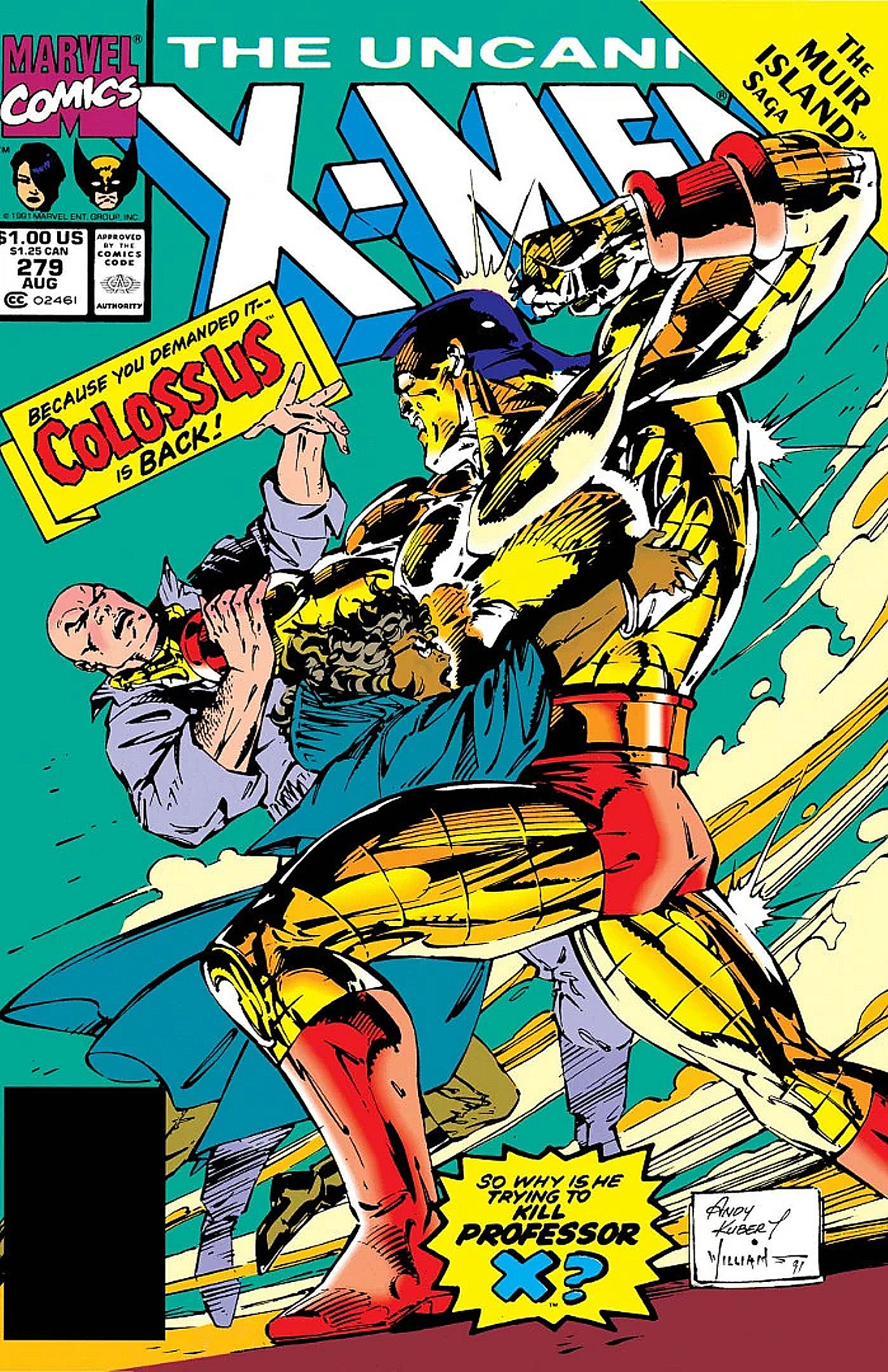
Claremont left theX - Men , and Marvel in 1991 , after just the third issue of the newly launched secondX - Menvolume . His at long last publish ofUncanny X - Menfor over a decade was # 279 . By that point in the franchise ’s flight , an increasing editorial focus was already being placed on major crossover storyline , rather than fostering the on-going development of individual titles . As Claremont explicate , this was , and is , at odds with his approach :
Though Claremont returned to Marvel in the late 1990s , andUncannyin the mid-2000s , the increased trust on crossover and story events has continued to grow more penetrative .
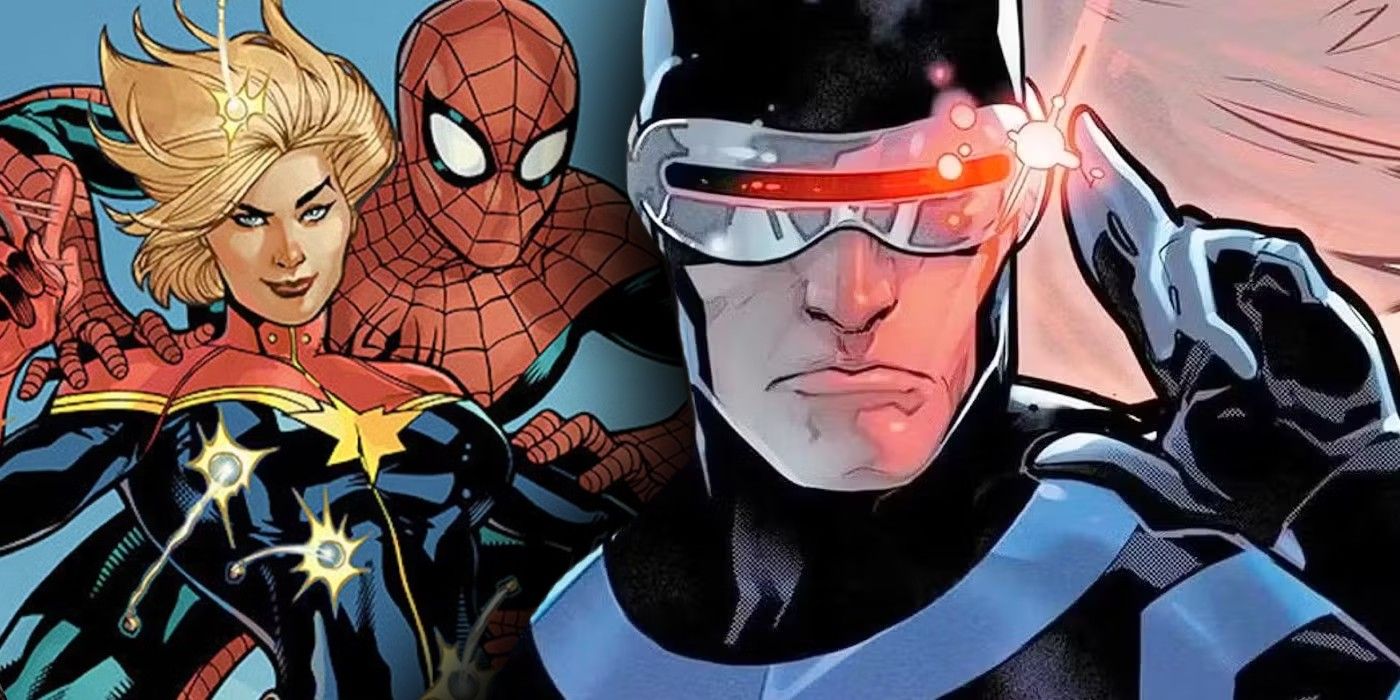
Claremont ’s subsequentX - Menwork , in recent decade , has remained role - sharpen , in his signature style ; nevertheless , his power to craft constitutive stories for his character remains contingent upon on theX - Office ’s overarching plans .
Claremont’s 1991 Departure From X-Men Was Truly A Seismic Shift
The Krakoan Era has played in Chris Claremont ’s sandbox , so to speak , and it has been profligate with stand - out , character - driven storytelling . It has also been a churn of relaunches and crossing event .
Perhaps in the former ' 90 , had Claremont remained at Marvel , he could have had a tempering influence on the crossover fashion model of comic book storytelling . More than likely , however , the shift was inevitable , and unstoppable . Claremont ’s subsequentX - Menwork , in late decades , has remained character - focus , in his touch style ; nevertheless , his ability to craft organic news report for his characters remain contingent on theX - Office ’s overarching plans . The same can be said of all currentX - Menwriters . The enfranchisement ’s current epoch has been an unparalleled success – but it has remained dominated by crossovers throughout .
The Krakoan Era has played in Chris Claremont ’s sandbox , so to speak , and it has been profligate with place upright - out , persona - driven storytelling . It has also been a butter churn of relaunches and crossover voter upshot . It has equilibrise both approaches as dextrously as the franchise ever has . That said , with the ending of the Krakoan Era approaching , andfans speculating about what will total next , it is worth considering a return to the classic Claremont approach , which definedX - Menstorytelling in the first spot .
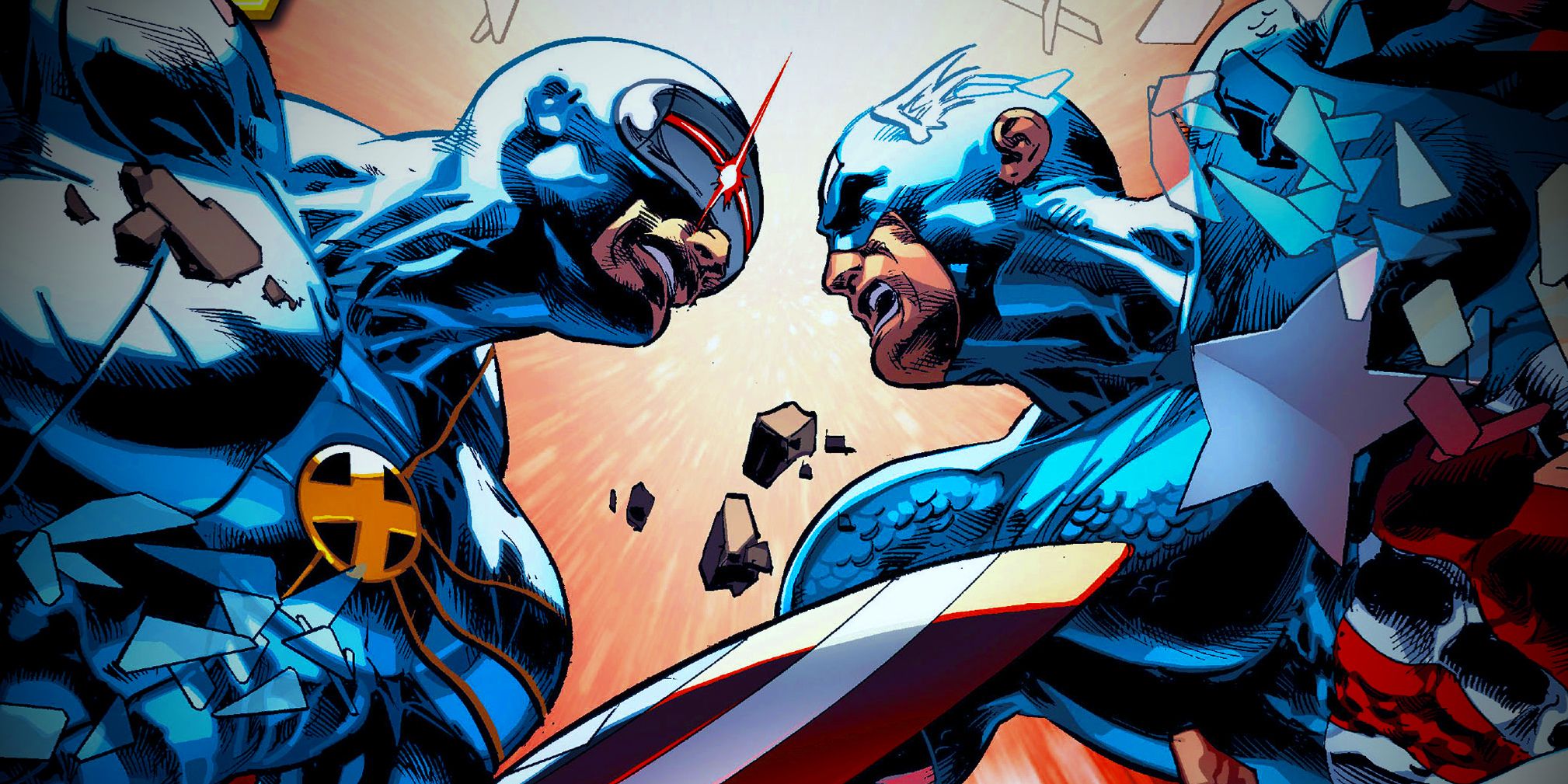
Source : Jay & Miles X - Plain the cristal - Men Episode 100 " Unexpected Wonder , with Chris Claremont "